Welcome To Astronation


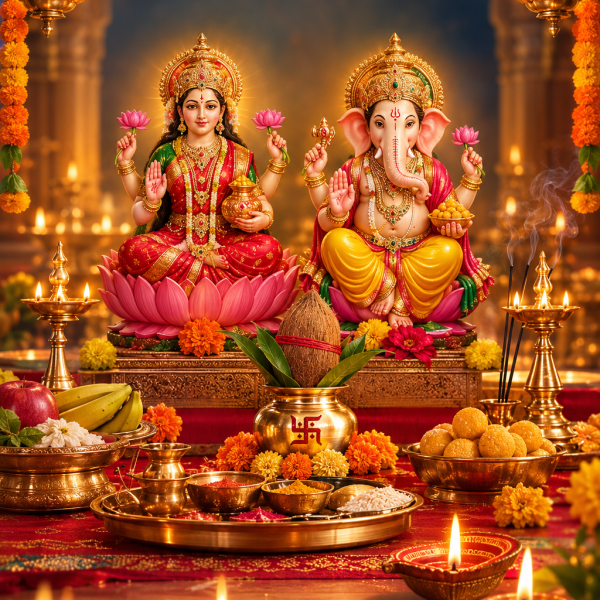
Diwali, also known as Deepawali, is one of the most celebrated Hindu festivals, symbolising the victory of light over darkness, knowledge over ignorance, and good over evil. On this auspicious occasion, devotees worship Goddess Lakshmi, Lord Ganesha, and Goddess Saraswati to pray for prosperity, wisdom, happiness, and success.
Diwali is traditionally celebrated by cleaning and decorating homes, lighting diyas, performing Lakshmi-Ganesh Puja, offering sweets, and spending time with family. Many families also follow traditional customs believed to welcome positivity and prosperity into their homes.
In this guide, discover the Diwali 2026 date, Lakshmi-Ganesh Puja Shubh Muhurat for Ludhiana, Punjab, complete Puja Vidhi, essential Puja Samagri, traditional shopping suggestions, and important rituals.
• Festival: Diwali (Deepawali)
• Date: Sunday, 8 November 2026
• Location: Ludhiana, Punjab, India
🪔 Lakshmi-Ganesh Puja Shubh Muhurat
Lakshmi Puja Muhurat: 5:55 PM to 7:50 PM
Pradosh Kaal: 5:33 PM to 8:12 PM
The Lakshmi Puja Muhurat is based on the local Panchang timings for Ludhiana, Punjab. During this period, devotees traditionally worship Goddess Lakshmi and Lord Ganesha to pray for prosperity, wisdom, peace, and happiness. Timings are based on the Drik Panchang calculation for Ludhiana.
Note: Muhurat timings may vary slightly depending on the Panchang and calculation method. Please confirm the timings with your preferred local Panchang before performing the puja.
Before beginning the puja, prepare your home and worship area.
Clean the entire house, especially the main entrance and puja area. A clean home is traditionally associated with welcoming Goddess Lakshmi.
Make a beautiful rangoli near the main entrance and decorate the doorway with flowers, torans, or traditional decorations.
Place a clean cloth on a raised platform and arrange the idols or pictures of Goddess Lakshmi and Lord Ganesha. You may also include Goddess Saraswati and Lord Kubera according to your family tradition.
Keep all the necessary items ready before starting the puja so that the rituals can be performed peacefully.
Light a diya in the puja area as a symbol of light, devotion, and positivity.
Place the idols or pictures of Goddess Lakshmi and Lord Ganesha in a clean and respectful place.
According to a commonly followed tradition, Goddess Lakshmi is placed on the right side of Lord Ganesha when viewed from the front. Families may follow their own established puja arrangements.
If you are worshipping Goddess Saraswati or Lord Kubera, you may also place their pictures or idols on the platform.
Take a clean Kalash or metal pot and fill it with water. Place mango leaves around its opening and position a coconut on top, following your family’s traditional method.
The Kalash is commonly used in Hindu puja rituals as a symbol of auspiciousness and abundance.
Begin the puja by remembering Lord Ganesha, who is traditionally worshipped before other deities.
Offer flowers, kumkum, rice, and sweets while praying for wisdom, clarity, and the removal of obstacles.
Offer flowers, kumkum, rice, sweets, and other appropriate offerings to Goddess Lakshmi.
Pray for prosperity, financial stability, harmony, and happiness in your home. You may recite Lakshmi mantras or Lakshmi Chalisa according to your family tradition.
If included in your family’s puja tradition, offer prayers to Goddess Saraswati for knowledge, learning, and wisdom, and to Lord Kubera for financial well-being and responsible management of wealth.
Offer fresh flowers, seasonal fruits, and sweets to the deities. Lotus flowers are traditionally associated with Goddess Lakshmi and may be offered when available.
You may also offer homemade sweets or other customary bhog prepared for the occasion.
Perform the aarti of Goddess Lakshmi and Lord Ganesha using a lit diya. Family members may join in singing the traditional aarti and offering prayers.
After the puja, light diyas in the puja room, near the entrance, and in suitable areas around the house.
Many families also light diyas in the kitchen, balconies, windows, and other safe locations. The number and placement of diyas can vary according to regional and family traditions.
After completing the puja, distribute the prasad among family members and guests. Share festive greetings and spend time with loved ones.
Conclude the puja with a prayer for health, wisdom, peace, prosperity, and happiness. You may also express gratitude for the blessings and opportunities in your life.
Arrange the following items before starting your Lakshmi-Ganesh Puja.
Depending on your family’s customs, you may also arrange lotus flowers, betel leaves, betel nuts, cardamom, cloves, dry fruits, and other customary offerings.
Diwali is traditionally associated with prosperity, new beginnings, and the renewal of the home. Many families purchase useful or auspicious items during the festive season.
Gold and silver jewellery, coins, or other precious items are popular festive purchases. Choose according to your budget and financial priorities.
Some families purchase stainless steel, brass, copper, or silver utensils as part of their Diwali traditions.
New idols or pictures of Goddess Lakshmi and Lord Ganesha may be purchased for the puja, if desired.
Earthen diyas, cotton wicks, puja thalis, incense sticks, and decorative lamps are useful items for the festival.
Some households use Gomti Chakras, cowrie shells, or coriander seeds as part of their customary rituals. These practices vary by region and family.
You may purchase useful household items, books, first-aid supplies, or other essentials that suit your needs. Some families also follow the tradition of buying a new broom as a symbol of cleanliness.
Remember: There is no requirement to make an expensive purchase to celebrate Diwali meaningfully. Choose items according to your needs, budget, and family traditions.
Many families follow traditional practices during Diwali as expressions of devotion and as symbols of prosperity and positivity.
These are traditional and practical observances rather than guaranteed methods of obtaining wealth or changing future events.
Diwali is more than a festival of lights. It is an occasion to welcome positivity, appreciate the blessings in our lives, strengthen family bonds, and renew our commitment to wisdom, generosity, and responsible living.
Perform your Lakshmi-Ganesh Puja with devotion, follow your family’s traditions, and celebrate the festival with care and gratitude.
Wishing you and your family a very Happy and Prosperous Diwali 2026! 🪔✨
May Goddess Lakshmi bless your home with prosperity, Lord Ganesha guide you towards wisdom and success, and the festival bring peace, happiness, and harmony into your life.
Astro Nation shares educational content on Parashari Astrology, numerology, traditional astrology practices, and Indian festivals to help readers understand their cultural and spiritual significance.
Explore more astrology insights and educational resources on the Astro Nation website.
WhatsApp us